
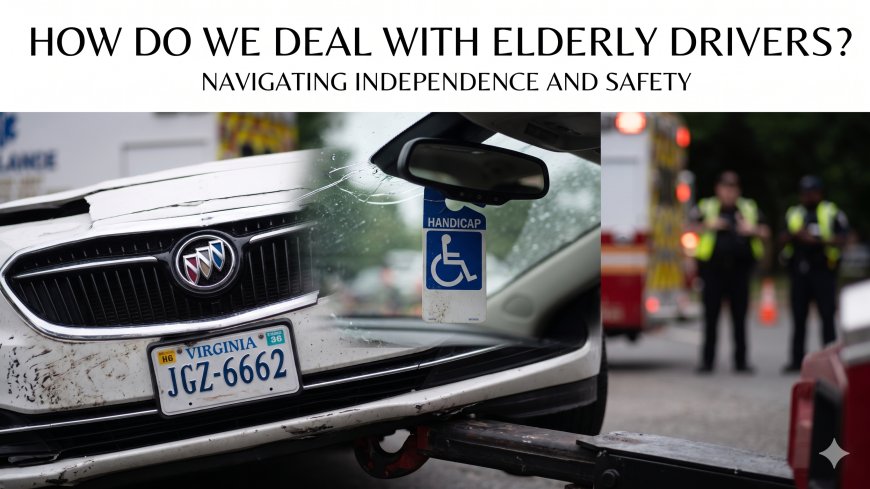
How Do We Deal With Elderly Drivers? Navigating Independence and Safety
For many of us, getting a driver’s license is our first true taste of freedom. It represents independence, self-sufficiency, and the ability to live life on our own terms. Because driving is so deeply tied to our sense of autonomy, discussing when it might be time to hand over the keys is one of the most difficult conversations families can have with their aging loved ones.
Recognize That Age is Just a Number
The first and most important step is to understand that chronological age alone does not determine a person's ability to drive. Many people in their 80s are perfectly safe behind the wheel, while someone in their 60s with specific health conditions might not be.
Instead of focusing on age, focus on ability and health. Vision impairments, hearing loss, delayed reaction times, cognitive decline (such as dementia), and certain medications can all severely impact driving skills.
Watch for the Warning Signs
Before initiating a difficult conversation, observe the driver's habits. Rather than relying on a gut feeling, look for concrete evidence that their driving abilities are declining.
Red flags to watch for include:
-
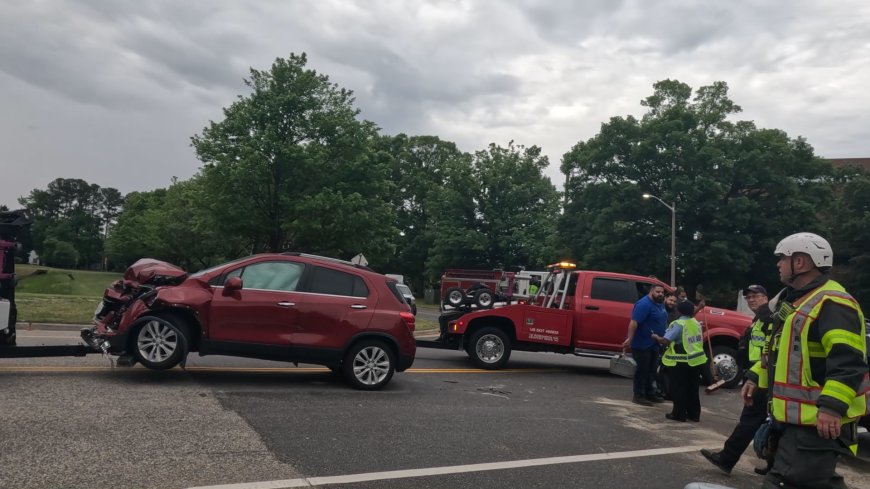
Unexplained damage: New dents, scratches, or scrapes on their car, mailbox, or garage door.
-
Traffic violations: An increase in tickets, warnings, or "close calls."
-
Getting lost: Frequently losing their way on familiar routes.
-
Physical struggles: Difficulty turning their head to check blind spots, or trouble steering and braking smoothly.
-
Delayed reactions: Failing to notice stop signs, pedestrians, or changing traffic lights in a timely manner.
-
Passenger anxiety: If you or others feel nervous riding in the car with them, it is a significant warning sign.
How to Have "The Conversation"
If you have noticed warning signs, you cannot ignore them. However, taking away the keys abruptly can lead to depression, isolation, and deep resentment.
1. Approach with Empathy, Not Accusation Start the conversation by expressing love and concern. Use "I" statements rather than "You" statements. For example, say, "I’ve noticed you’ve been feeling a bit stressed when driving at night, and I’m worried about your safety," instead of, "You're a terrible driver now and you need to stop."
2. Involve Professionals Sometimes, a family member’s warning is dismissed as nagging. Involving a neutral third party, such as a primary care doctor, an optometrist, or a certified driving rehabilitation specialist, can provide an objective assessment. Many seniors are much more willing to listen to a medical professional’s advice to stop driving.
3. Take Incremental Steps If the situation isn't an immediate crisis, consider a gradual transition rather than a hard stop. This might mean:
-
No driving at night or in bad weather.
-
Avoiding highways and sticking to local roads.
-
Only driving to essential, familiar places nearby (like the grocery store or pharmacy).
Provide a Roadmap for Continued Mobility
The biggest fear associated with giving up the keys is the loss of freedom and the threat of isolation. You can mitigate this fear by having a concrete transportation plan ready before you ask them to stop driving.
Alternative transportation options:
-
Family and Friends: Create a rotating schedule among family members for errands and social outings.
-
Rideshare Services: Teach them how to use Uber or Lyft, or set up an account where you can request rides for them. Some services specifically cater to seniors and offer additional assistance.
-
Public Transit: If they live in an area with good public transportation, help them learn the bus or train routes.
-
Community Services: Many local senior centers, religious organizations, and municipal governments offer free or low-cost shuttle services specifically designed for older adults.
Conclusion
Dealing with an aging driver is rarely a one-time conversation; it is usually an ongoing process. By leading with empathy, relying on objective observations, and providing reliable alternatives to driving, families can help their loved ones transition into this new phase of life with their dignity and safety intact.
What's Your Reaction?
 Like
0
Like
0
 Dislike
0
Dislike
0
 Love
0
Love
0
 Funny
0
Funny
0
 Wow
0
Wow
0
 Sad
0
Sad
0
 Angry
0
Angry
0

Press What Matters affiliate