
The Welfare Queen's Reign Ends: A Tale of Trickery and Retribution
Welfare systems are established to provide financial support and essential services to individuals and families experiencing hardship. These programs are vital in mitigating poverty, ensuring access to healthcare, and offering educational opportunities. However, they are susceptible to misuse, as evidenced by cases like this. The challenge lies in balancing accessibility with stringent checks to prevent exploitation.
Navigating the System: A Cautionary Tale of Welfare Misuse and Its Consequences
In a world where social safety nets are crucial for supporting the vulnerable, the case of a woman who manipulated the welfare system serves as a sobering reminder of the necessity for accountability and integrity. This story, originally reported by Police Ping, highlights the complexities of welfare systems and the repercussions of exploiting them.
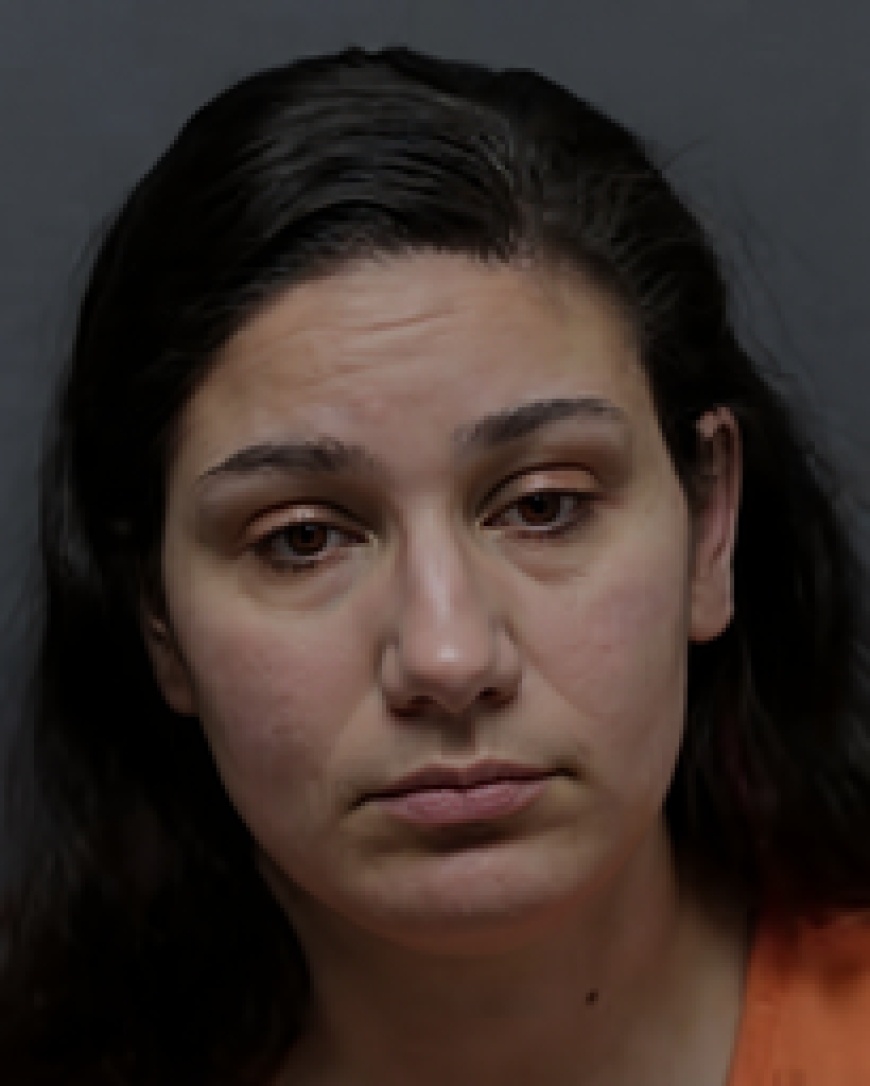
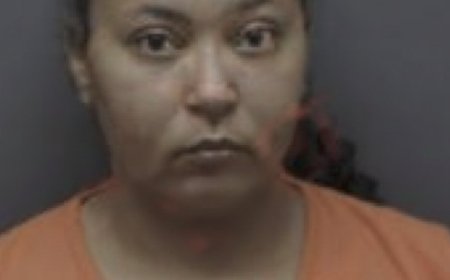
Kristen Renee Cedeno-Parham Mugshot
The narrative revolves around a woman (Kristen Renee Cedeno-Parham) who allegedly misused welfare benefits, a system designed to assist those in genuine need. The details of the case reveal a calculated effort to exploit resources meant for the disadvantaged, ultimately leading to legal consequences. This situation underscores the importance of rigorous oversight within welfare programs and the potential consequences of fraudulent behavior.
The case in question involved the woman allegedly falsifying information to obtain benefits she was not entitled to. Such actions not only undermine the system's integrity but also divert resources away from those who truly need assistance. This scenario illustrates the broader issue of welfare fraud, which can take various forms, including underreporting income, exaggerating household size, or fabricating eligibility criteria.
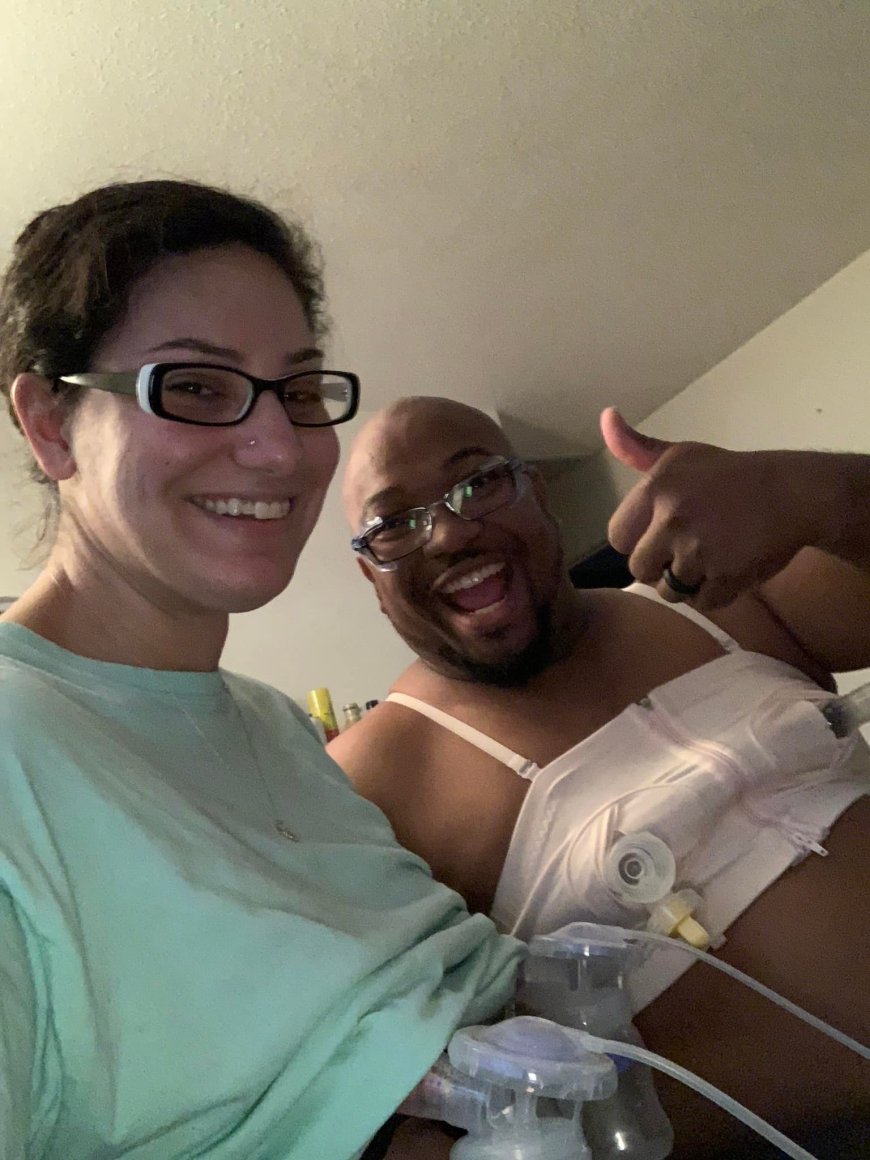
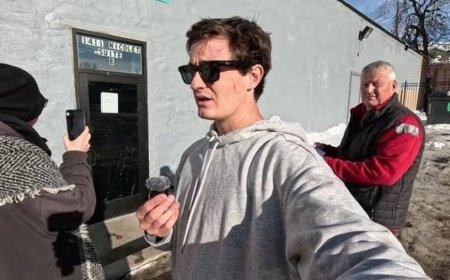
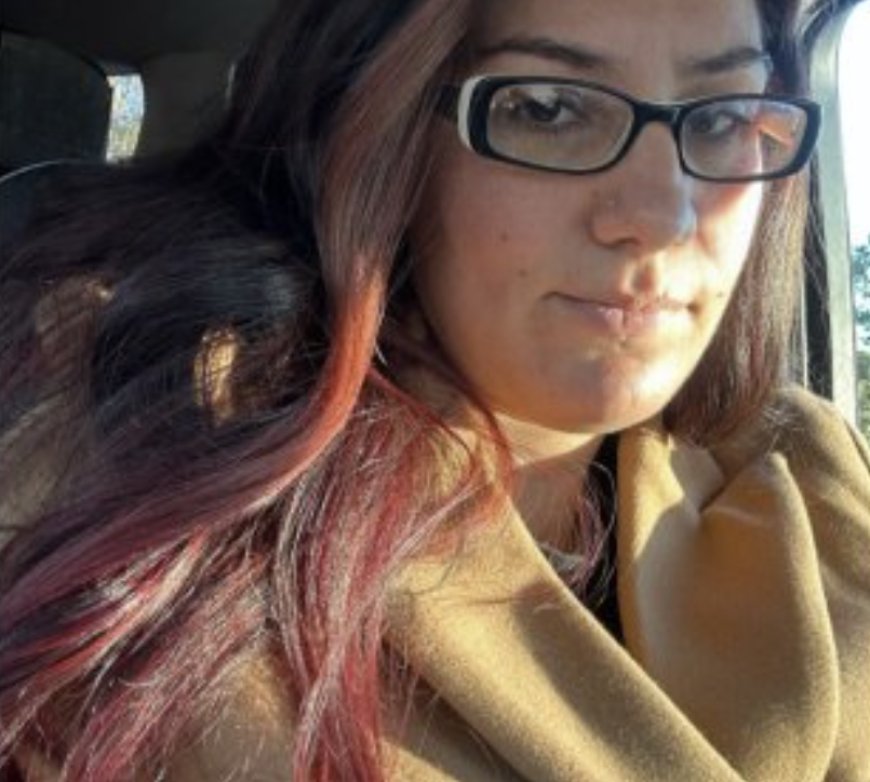
Kristen Renee Cedeno-Parham with Brandon Parham
The repercussions for individuals found guilty of welfare fraud are severe and multifaceted. In this instance, the woman faced legal action, resulting in penalties that could include fines, restitution, and even imprisonment. Beyond the personal consequences, such fraudulent activities erode public trust in welfare systems and contribute to the stigma surrounding those who rely on public assistance.
To prevent similar incidents, it is imperative to implement robust measures that strike a balance between accessibility and accountability. Enhanced verification processes, regular audits, and data-sharing initiatives between agencies can help identify and deter fraudulent activities. Furthermore, educating recipients about their rights and responsibilities can empower them to engage with the system honestly.
While this case highlights an instance of manipulation, it is essential to recognize that the majority of welfare recipients are honest individuals seeking support during difficult times. The narrative should not overshadow the system's positive impact but rather serve as a catalyst for discussions on improving its efficiency and integrity.
The story of a woman who attempted to work the welfare system and now faces the consequences is a poignant reminder of the need for vigilance and reform. As society continues to rely on welfare programs to support its most vulnerable members, ensuring these systems are fair, transparent, and secure is paramount. This case should inspire policymakers, administrators, and the public to collaborate in strengthening the framework that upholds the values of compassion and justice.
What's Your Reaction?
 Like
0
Like
0
 Dislike
0
Dislike
0
 Love
0
Love
0
 Funny
0
Funny
0
 Wow
0
Wow
0
 Sad
0
Sad
0
 Angry
0
Angry
0

Press What Matters allows anyone to become a citizen journalist! Get paid per click for all of your news articles, stories or videos.