
Newport News Community Mourns Death of Menchville Student Marwa Barakzai, Raising Concerns About Bullying and Cultural Awareness
NEWPORT NEWS, Va. — The death of 16-year-old Marwa Barakzai, a student at Menchville High School, has sent shockwaves through the Hampton Roads community, sparking grief, unanswered questions, and renewed conversations about bullying and cultural understanding in local schools.
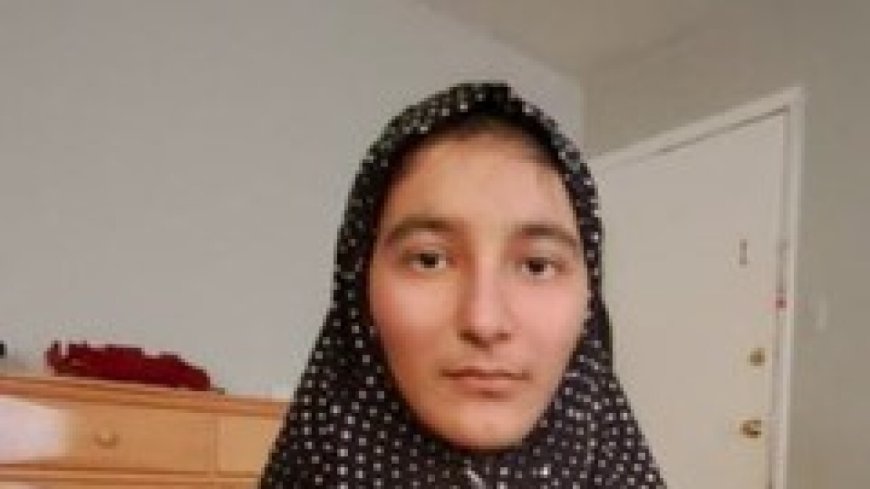
Marwa Barakzai was reported missing in March 2026 after she got off a school bus at an unusual stop along Fontaine Road, according to Newport News police.
Authorities initially believed the teen may have run away, launching an extensive search involving drones, K-9 units, and coordination with state and federal agencies.
Community members, including local organizations and volunteers, joined in search efforts as concern grew for her safety.
Subsequent updates from community sources, including local Islamic organizations, indicated that Marwa was later found deceased, though officials have released limited public details regarding the circumstances surrounding her death.
As of now, many key questions remain unanswered, including how she died and what led up to her disappearance.
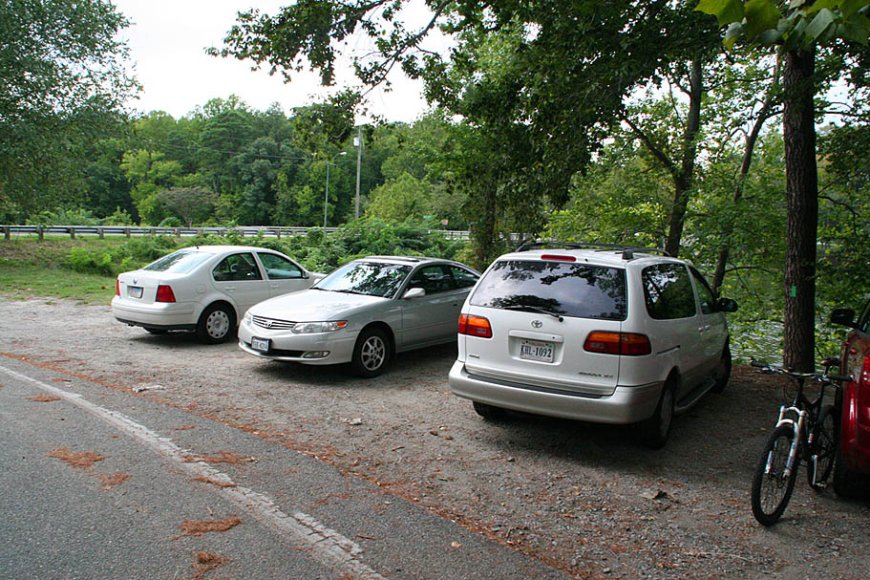
Lake Maury (officially renamed The Mariners' Lake in 2020) is a 167-acre reservoir located within the Mariners' Museum and Park in Newport News, Virginia. Originally created in 1930, the lake and its surrounding five-mile Noland Trail are beloved community landmarks. In March 2026, the area became the focus of a tragic investigation following the disappearance of Marwa Barakzai, a 16-year-old local student who went missing after getting off her school bus on Fontaine Road. After an extensive search involving local police, the FBI, and community volunteers, her body was found in the lake, turning the serene natural area into a site of mourning for the city.
Why Do Muslim Women Wear the Hijab?
In the wake of Marwa’s death, attention has also turned to understanding her background and identity.
The hijab—a headscarf worn by many Muslim women—is often misunderstood. For those who wear it, the hijab can represent:
- Faith and devotion to Islam
- Modesty and personal values
- Cultural and religious identity
- A personal and voluntary choice
For many young Muslim students, wearing a hijab is a visible expression of who they are—something that can foster pride, but unfortunately can also make them targets for misunderstanding or discrimination.
Bullying and Religious Discrimination in Schools
While authorities have not officially confirmed bullying as a factor in this case, the tragedy has intensified concerns among parents and community members about bullying tied to religion and identity, particularly among high school students.
Experts say Muslim students—and especially girls who wear hijabs—may face:
- Name-calling or slurs
- Social exclusion
- Stereotyping based on religion
- Harassment tied to appearance
Advocates stress that even subtle or repeated harassment can have serious emotional and psychological impacts on teenagers.
Menchville High School is a public high school serving roughly 1,700 students in grades 9–12 as part of Newport News Public Schools. The school reflects a diverse student population and offers programs such as Advanced Placement and dual-language instruction.
With that diversity comes a growing need for cultural awareness, inclusion, and strong anti-bullying policies.
💬 Community Reaction
The local community—including faith leaders, parents, and students—is now calling for:
- Increased anti-bullying enforcement
- Cultural sensitivity education in schools
- Better mental health resources for students
- Open dialogue about religious understanding
Many say Marwa’s story should serve as a turning point for how schools address bullying and protect vulnerable students.
Marwa Barakzai’s death has left a deep impact on Newport News. While the investigation continues, her story has already sparked critical conversations about acceptance, safety, and how young people treat one another.
At its core, community members say, the message is clear:
No student should feel unsafe or alone because of their faith, identity, or background.
What's Your Reaction?
 Like
0
Like
0
 Dislike
0
Dislike
0
 Love
0
Love
0
 Funny
0
Funny
0
 Wow
0
Wow
0
 Sad
0
Sad
0
 Angry
0
Angry
0

Press What Matters allows anyone to become a citizen journalist! Get paid per click for all of your news articles, stories or videos.