
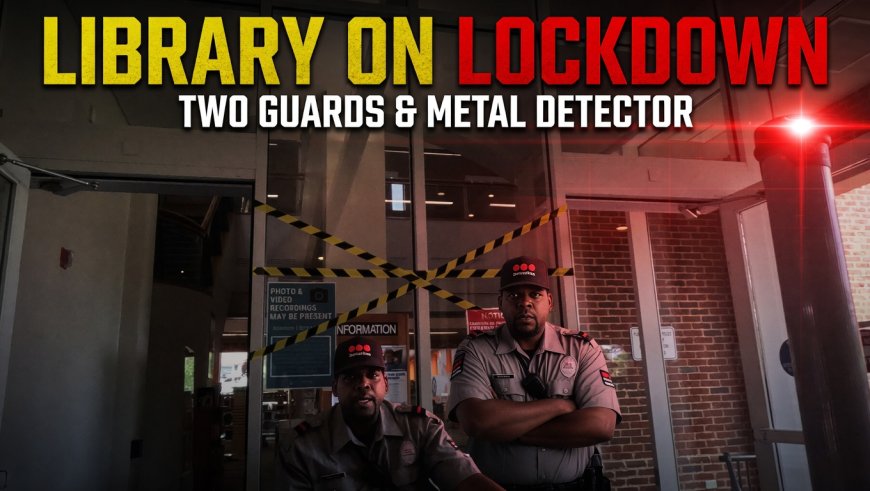
Library on Lockdown: Two Guards & Metal Detector on Main Street
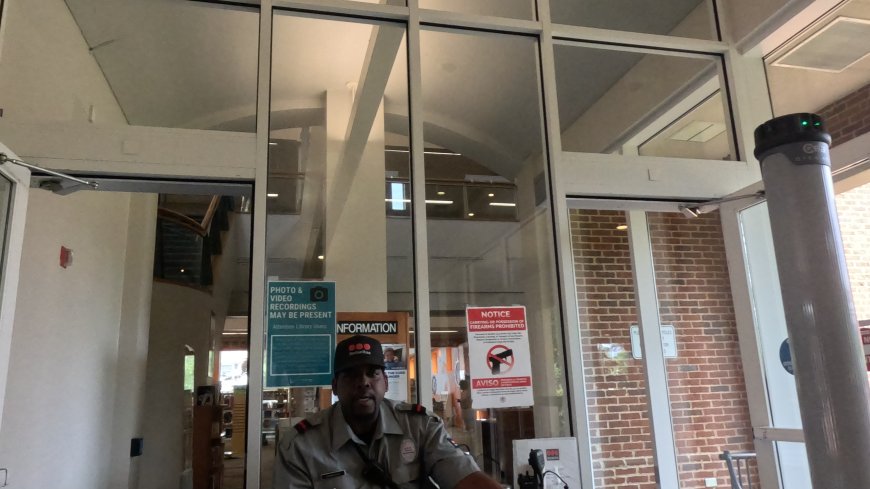
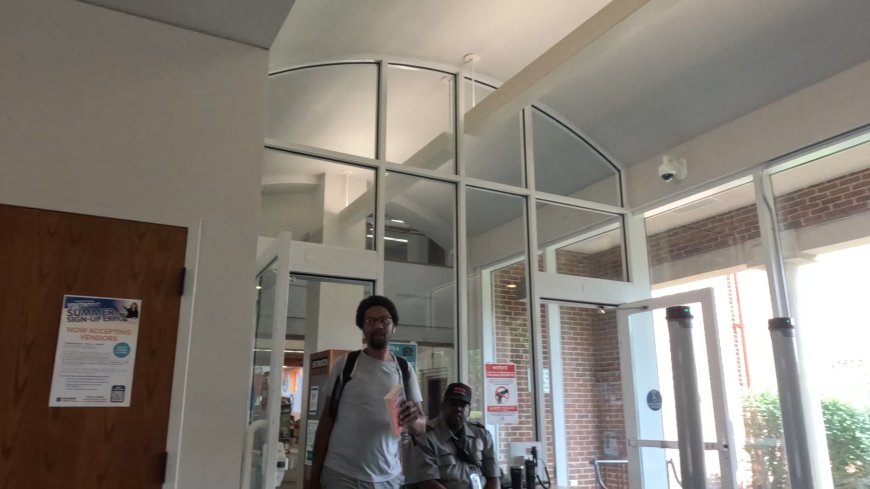
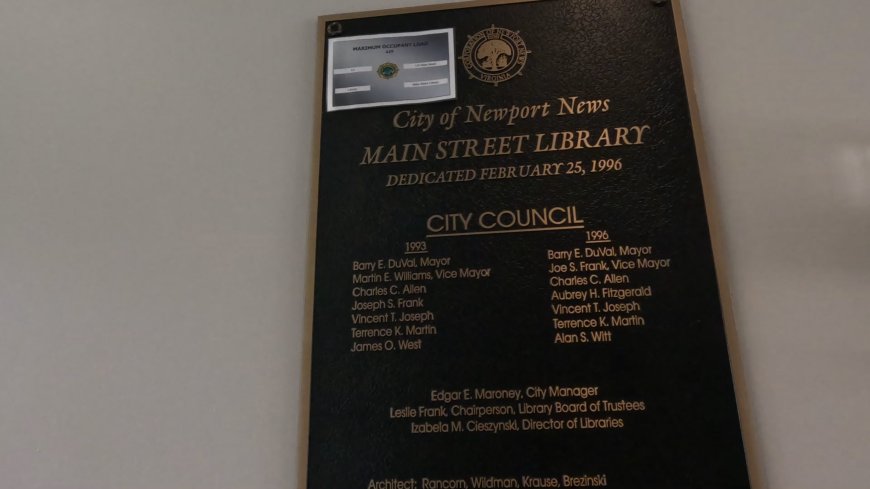
While walking through the weekly market at Main Street and Warwick Boulevard on Saturday morning, we stopped by the Main Street Library only to be confronted by two guards who blocked our access and insisted we give up our constitutional rights to enter.
From Librarys to Laptops
Enough with the wasteful spending. In 2026, public libraries are yet another unnecessary bill. They serve more as social hangouts than genuine learning environments. We now face not one but two authorities insisting that citizens forfeit their Fourth Amendment protections.
The Fourth Amendment of the United States Constitution protects against unreasonable searches and seizures.
"The right of the people to be secure in their persons, houses, papers, and effects, against unreasonable searches and seizures, shall not be violated, and no Warrants shall issue, but upon probable cause, supported by Oath or affirmation, and particularly describing the place to be searched, and the persons or things to be seized."
Buying a $350 laptop for all 181,500 citizens would cost the city $63,525,000.
The Virgil I. Grissom Library replacement project (often called the new Grissom Library) in Newport News, Virginia, has an estimated all-in project cost of approximately $53 million
The Newport News Public Library System (part of the Department of Libraries and Information Services) has annual operating costs of roughly $6–8 million in recent years, funded primarily through the City’s General Fund
- Significant Long-Term Cost Savings for the City The current library system (4 branches) has annual operating costs in the range of $6–8+ million (staffing, utilities, maintenance, materials, etc.). One-time or phased laptop distribution (e.g., refurbished units at $50–$300 each) plus subsidies for internet/hotspots could be cheaper over time than maintaining multiple buildings, especially avoiding future capital projects like the ~$53 million Grissom Library replacement
-
24/7 Access to Information from Anywhere Residents could access e-books, databases, audiobooks, and online resources (via apps like Libby/OverDrive) at any time, not limited to library hours or locations. Particularly beneficial for shift workers, parents, people with disabilities, or those in remote parts of the city.
-
Greater Convenience and Reduced Travel No need to drive to branches (e.g., Pearl Bailey, Main Street, or the new Grissom site). Saves time, gas, and parking hassles. Ideal for Newport News’ spread-out population of ~182,000 residents
-
Personalized and Scalable Resources Digital collections can serve unlimited simultaneous users (no waiting for popular books). Easy integration of multimedia, interactive learning tools, AI-assisted research, and up-to-date materials without physical space limits.
-
Stronger Bridge for the Digital Divide Many low-income households lack reliable devices. Providing laptops could include training, helping close gaps in education, job searching, telehealth, and government services. Similar programs elsewhere have distributed devices for $38–$300 per unit via refurbishment/nonprofits.
-
Environmental Benefits Reduced need for large buildings lowers energy use, maintenance emissions, and paper consumption. Digital resources cut down on printing and physical material production/transport.
-
Potential for Broader Economic and Educational Impact Devices support remote learning, job applications, small business tools, and skills training. Could free up library staff time (or redeploy them) for digital literacy programs, community outreach, or virtual services.
- Flexibility and Future-Proofing Easier to update content instantly and scale with population or technology changes. Supports accessibility features (text-to-speech, screen readers, adjustable fonts) for seniors and people with disabilities.
This is a hypothetical scenario — real-world implementation would face challenges like ongoing device replacement/repair costs, digital literacy gaps, internet affordability, data privacy, and loss of in-person community spaces that libraries provide (storytime, study areas, events, etc.). Many experts note that digital options complement, rather than fully replace, physical libraries.
What's Your Reaction?
 Like
1
Like
1
 Dislike
0
Dislike
0
 Love
0
Love
0
 Funny
0
Funny
0
 Wow
0
Wow
0
 Sad
0
Sad
0
 Angry
0
Angry
0

Press What Matters affiliate