

SpeedX Delivery - Complete Disregard for Customers Privacy and Product
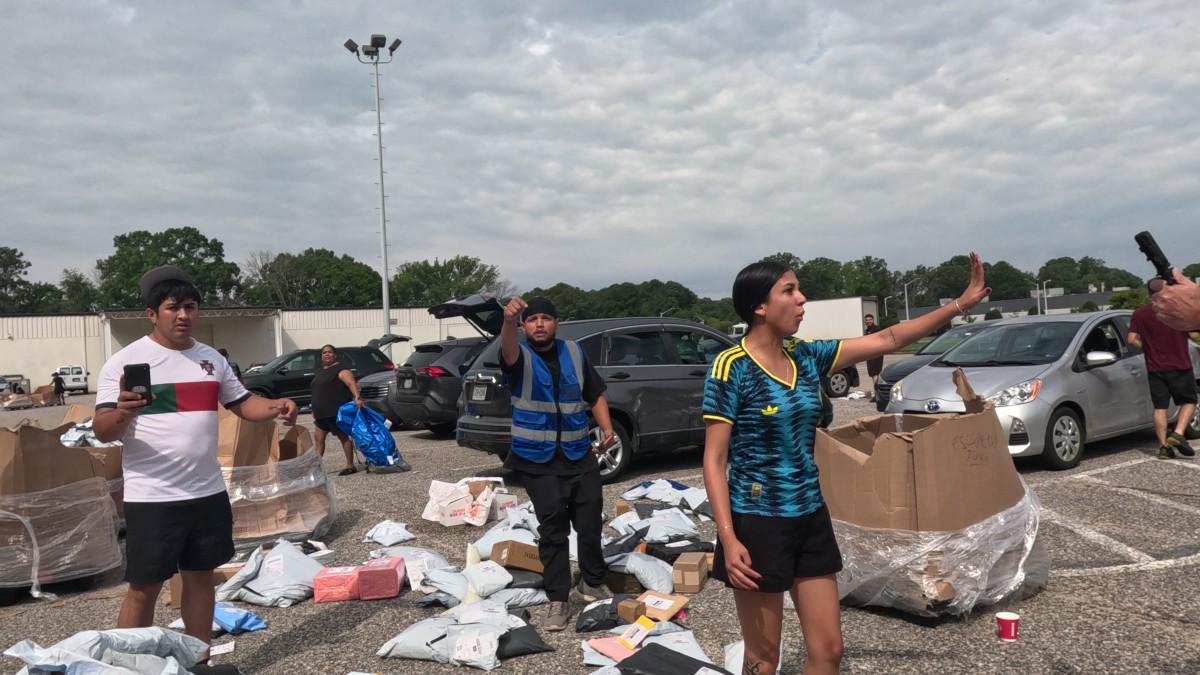
Complete Disregard for Customers’ Privacy and Product: SpeedX Delivery Service Leaves Hundreds of Packages Littered as Drivers Cram Them into Vehicles In a chaotic scene captured in a parking lot outside an industrial-looking building, hundreds of packages from online retailers lie scattered across the asphalt and grass. Cardboard boxes, plastic-wrapped parcels, and shipping envelopes are strewn about, some stacked haphazardly, others simply dumped on the ground.
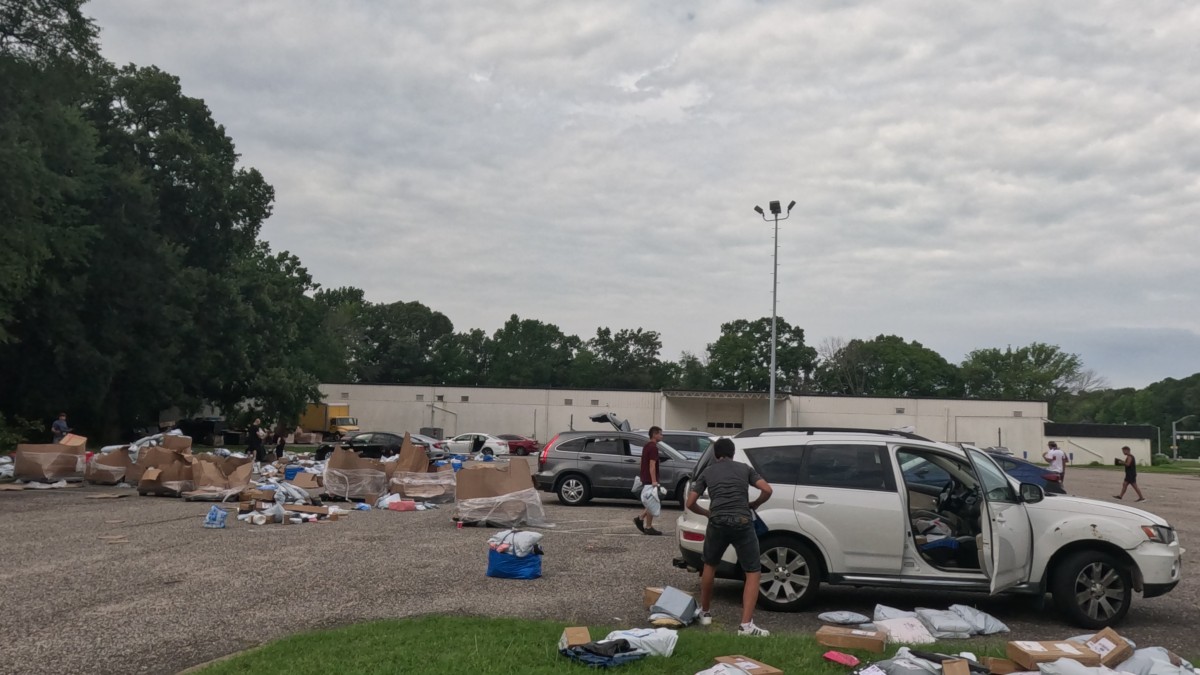
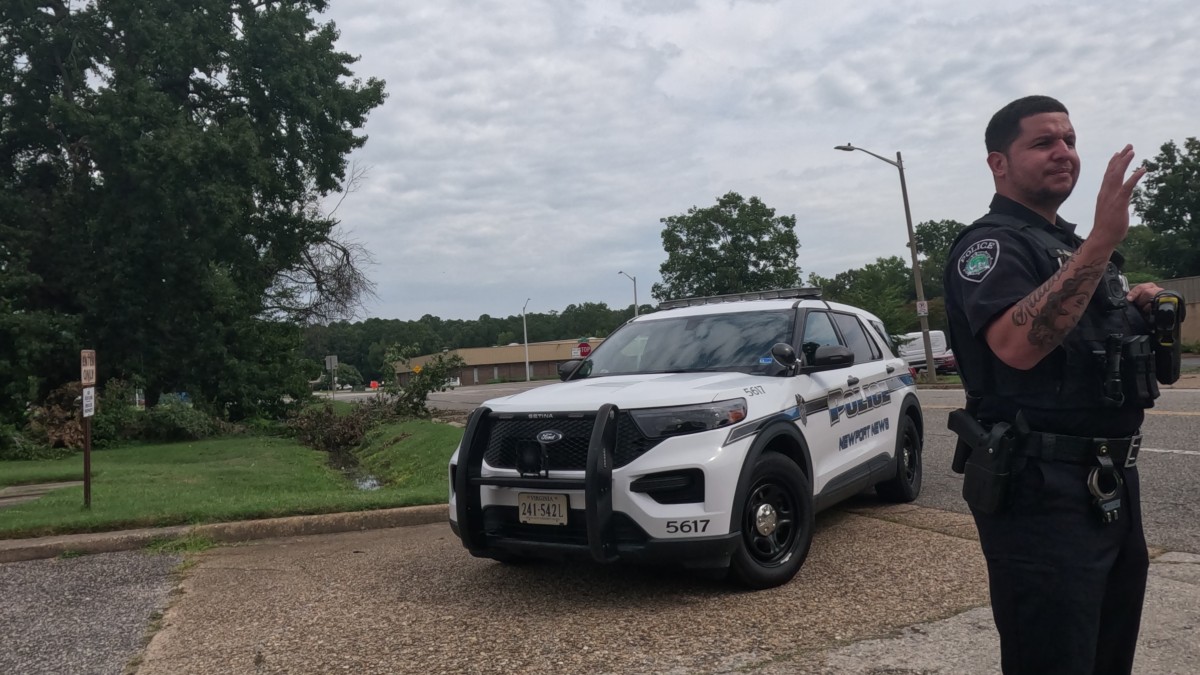
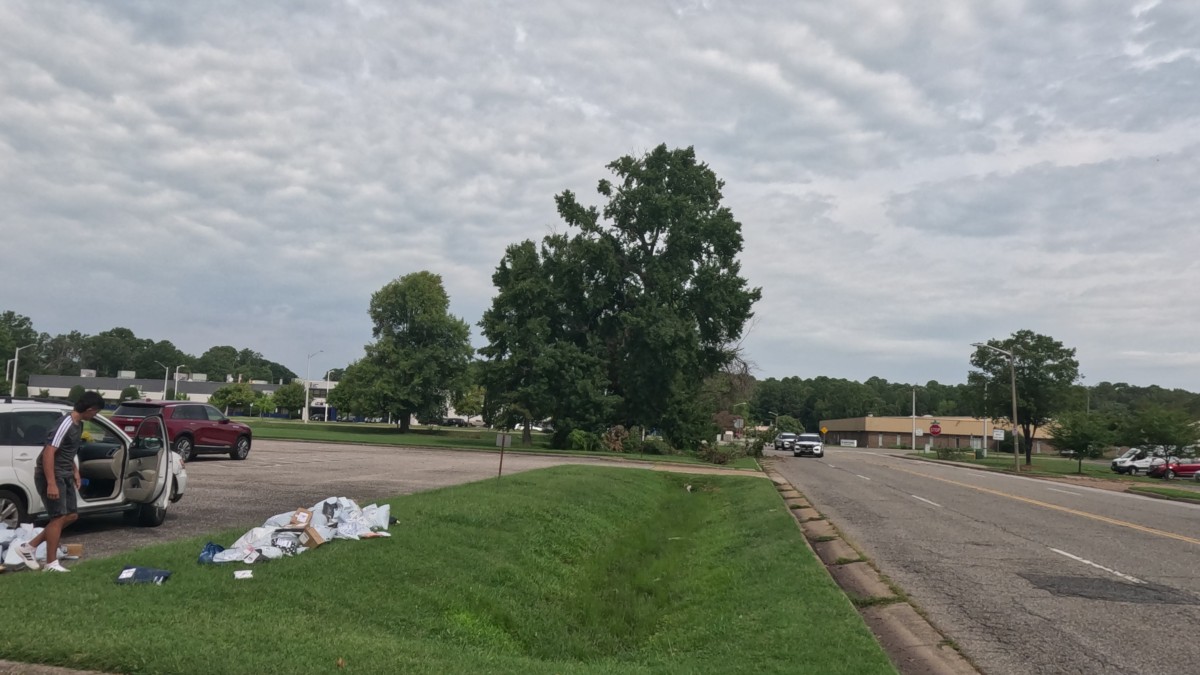
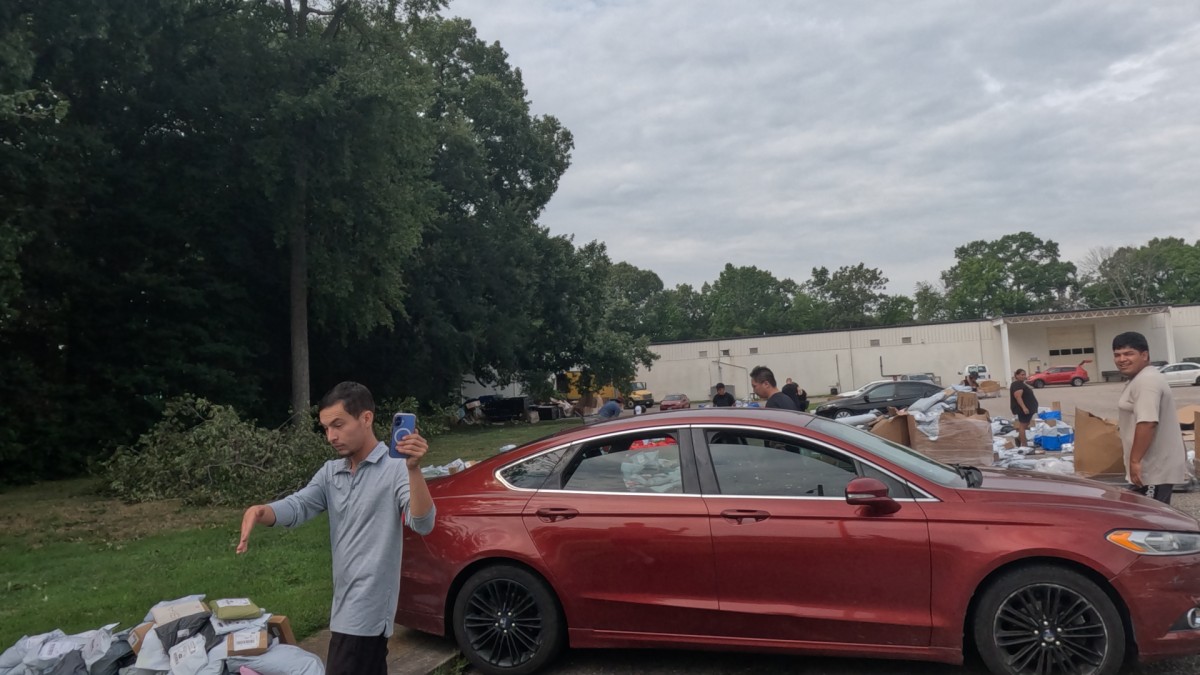


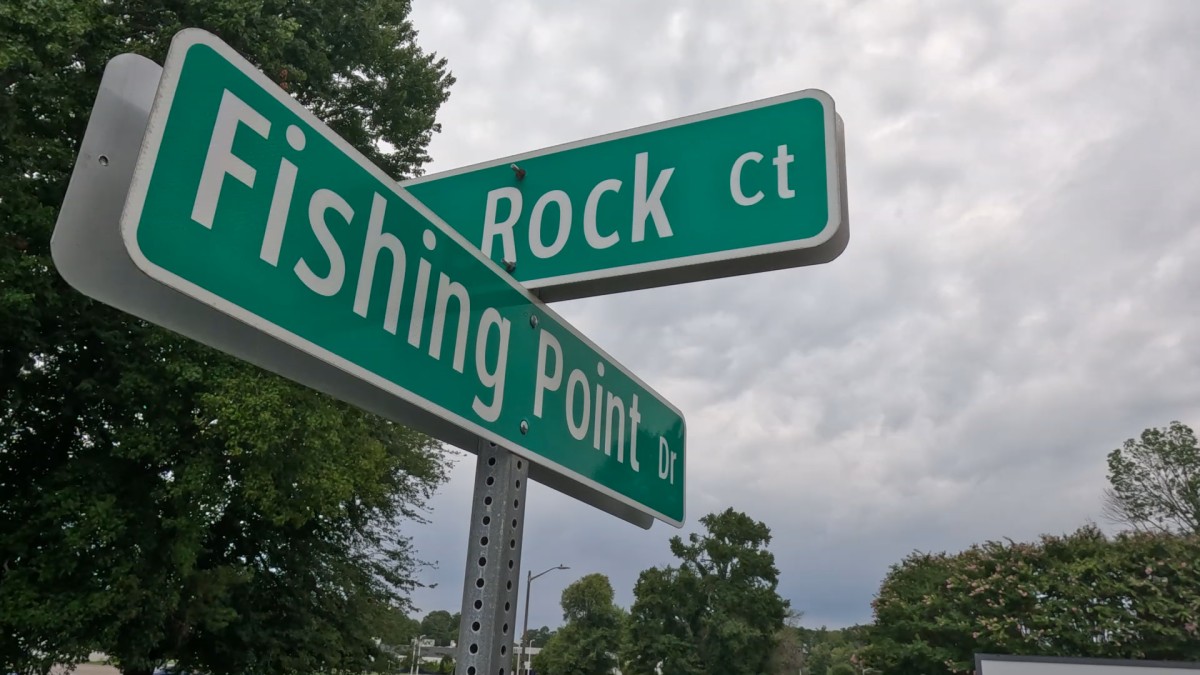

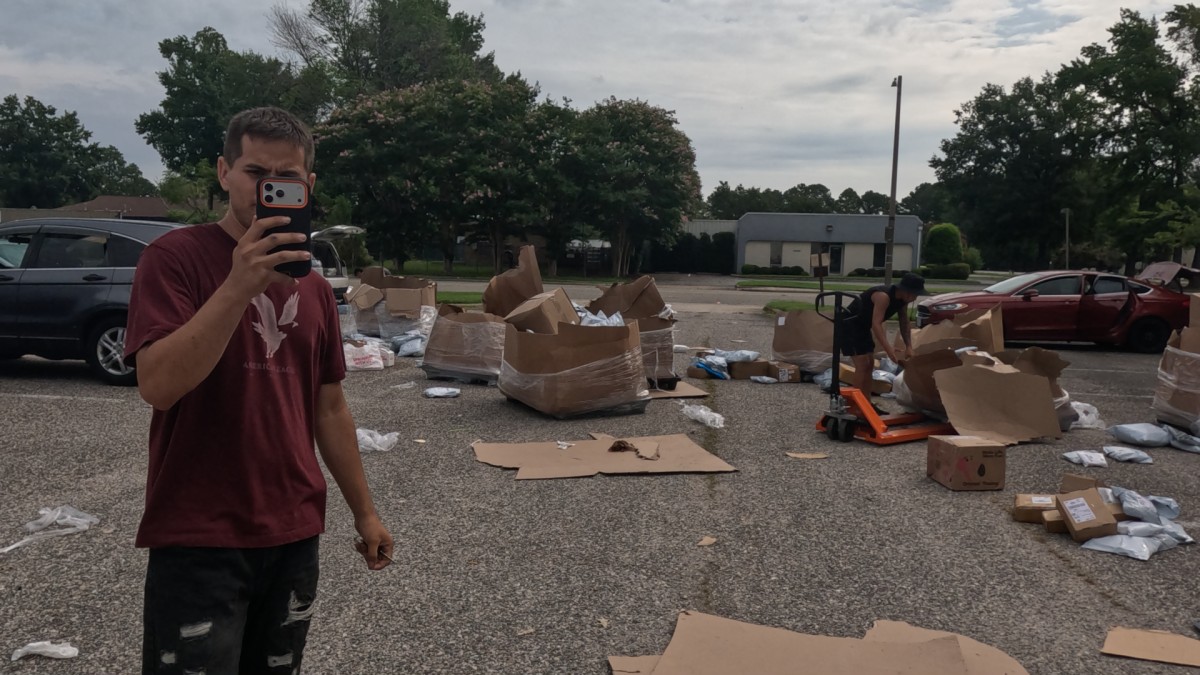

Drivers—most appearing to be Spanish-speaking—can be seen loading the packages into personal vehicles, including a white SUV with its doors wide open and packages piled around its wheels and interior. Out-of-state license plates are visible on multiple cars. A large police response reportedly arrived at the location amid the disorder.
This is the face of last-mile delivery for SpeedX, a U.S.-based courier that has expanded rapidly since its 2022 founding to handle packages for major platforms including Temu, Shein, Amazon, TikTok Shop, and others. The company relies heavily on independent contractors and gig drivers using their own vehicles rather than a traditional fleet of branded trucks. Critics say the model prioritizes volume and low cost over care, accuracy, or basic respect for the packages and the people waiting for them.
Packages Treated as Disposable
The photo shows the scale of the problem: large piles of unsorted and loosely handled parcels covering significant portions of the lot. Drivers appear to be sorting and cramming packages into personal cars and SUVs on the spot, with little apparent organization or protection from the elements or potential theft. Packages sit exposed on the ground near open vehicle doors, some already damaged or crushed underfoot.
This matches a pattern of widespread customer complaints about SpeedX. Reviews and reports frequently describe packages thrown from vehicle windows onto driveways or porches, left in random yards, dumped near mailboxes by busy roads, or delivered to completely wrong addresses—sometimes blocks or even towns away. Items arrive damaged, wet, or not at all. In one documented Northern Kentucky case in late 2025, residents reported hundreds of misdelivered SpeedX packages flooding neighborhoods, prompting locals to form Facebook groups and even redistribute packages themselves.
Privacy and Address Disregard
Beyond physical mishandling, the scene raises serious privacy concerns. Packages carry customer names and addresses. Leaving them scattered in an open lot, accessible to anyone walking by, or loading them into unmarked personal vehicles with out-of-state plates creates opportunities for loss, theft, or misuse of personal information. Drivers reportedly struggle with English-language addresses and instructions, leading to systematic misdeliveries. Customers have documented cases of packages left at the wrong building, on the wrong street, or simply abandoned after a photo is taken for “proof of delivery.”
SpeedX has also faced separate scrutiny over data exposure. In 2026, researchers reported that a misconfigured cloud storage bucket left hundreds of millions of records accessible, including customer addresses, package photos, and driver license images—further underscoring risks around the sensitive information the company handles.
Language Barriers and Operational Chaos
Multiple accounts describe drivers who do not speak or read English well enough to navigate addresses accurately or follow delivery instructions. This language barrier, combined with pressure to move high volumes quickly using personal cars, contributes to the kind of free-for-all sorting visible in the parking lot. Packages intended for specific homes end up mixed, delayed, or discarded in the scramble to fill vehicles.
Customer service responses from SpeedX are widely described as inadequate or nonexistent—limited to chatbots, delayed emails, or referrals back to the original seller (Temu, Shein, etc.). Claims processes are restricted, and liability is often limited or shifted away from the courier once a “delivered” scan is recorded, even if the package never reached the correct recipient.
Police Response and Broader Implications
The large police presence at the site of the littered packages underscores how far the situation had deteriorated. What should be a routine sorting and loading operation instead resembled an abandoned cargo dump, raising public safety, traffic, and potential theft concerns in addition to the core delivery failures.
SpeedX positions itself as a tech-enabled, flexible alternative that can process hundreds of thousands of packages daily through sortation hubs and a network of independent drivers covering thousands of ZIP codes. Its growth has been fueled by the surge in low-cost cross-border e-commerce. Yet the recurring pattern of scattered packages, misdeliveries, language and training gaps, weak accountability, and privacy risks suggests the model is straining under the volume it seeks to capture.
Customers ordering from retailers that use SpeedX have little choice in the carrier. When packages end up littered across a parking lot instead of safely at the intended door, the disregard for both the product and the recipient’s privacy becomes impossible to ignore. Until operational standards, driver support, language capabilities, and accountability improve, scenes like this one will continue to undermine trust in the entire last-mile delivery chain.
What's Your Reaction?
 Like
0
Like
0
 Dislike
3
Dislike
3
 Love
0
Love
0
 Funny
0
Funny
0
 Wow
0
Wow
0
 Sad
0
Sad
0
 Angry
1
Angry
1

Press What Matters affiliate