Is it LEGAL to film at the DMV offices and government-run parking lots?
Yes, filming is generally legal in publicly accessible areas of DMV offices and government-run parking lots in Virginia (and most of the U.S.), as these are not private property. The First Amendment protects the right to photograph and record in public spaces and areas of government facilities open to the public, including interactions with officials performing their duties, provided the activity does not interfere with operations, create safety hazards, or capture areas with a reasonable expectation of privacy (such as private offices, restrooms, or computer screens displaying sensitive personal data).
Legal Framework
DMV offices are state-run agencies open to the public. Every citizen is a current or potential customer of such agencies. Government property that is open to the public for its intended purposes functions as a limited or designated public forum (or at least not as purely private property). Restrictions must be reasonable, content- and viewpoint-neutral time/place/manner rules that serve a significant government interest (e.g., preventing disruption of services or protecting confidential information) and leave open ample alternative channels. A blanket claim that “the DMV is private property” is incorrect and does not override constitutional protections.
Multiple federal appeals courts have recognized a First Amendment right to record government officials (including law enforcement and other public employees) carrying out duties in public spaces. Examples include Glik v. Cunniffe (1st Cir.) and Fields v. City of Philadelphia (3rd Cir.). While the U.S. Supreme Court has not issued a definitive nationwide ruling specifically on “First Amendment audits,” lower courts and the weight of authority support recording in lobbies, exteriors, and parking areas of facilities like the DMV when the recorder is lawfully present and not interfering.
Virginia is a one-party consent state for audio recording (Va. Code § 19.2-62). Video recording of what is plainly visible in public has no general prohibition. Government parking lots accessible to the public (no gates, fences, or clear “employees only” restrictions) are typically treated as public for these purposes. You generally cannot be banned from a state-run agency open to the public solely for filming without committing a crime or engaging in disruptive conduct that justifies exclusion.
Reasonable limits still apply:
- Do not enter restricted/non-public areas.
- Do not obstruct customers, staff, or operations.
- Do not film sensitive personal information on screens or in private conversations where privacy is reasonably expected.
- Comply with lawful orders that are content-neutral (e.g., “move so you’re not blocking the entrance”).
- Security or police can respond to actual interference, threats, or safety issues, but cannot simply prohibit filming because they dislike it or claim the property is “private.”
The Newport News Incident Context
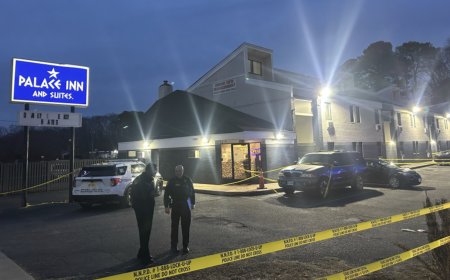
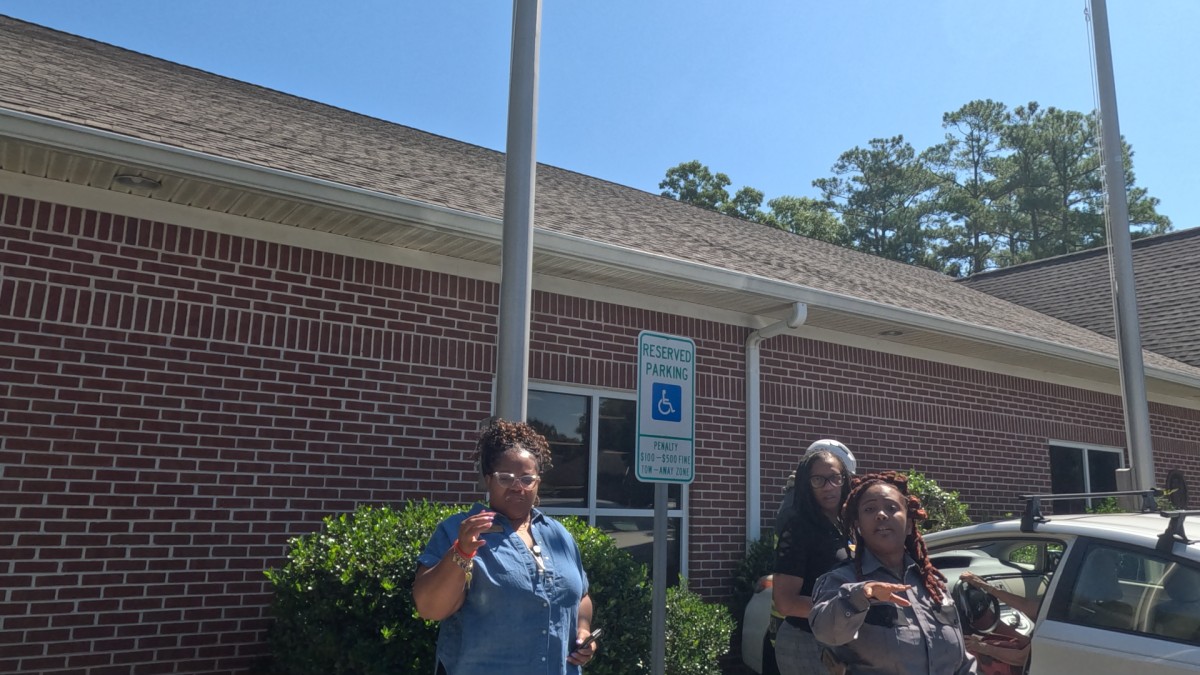
The scenario you describe—an auditor filming at the Newport News, Virginia DMV after a woman nearly struck the building, followed by Officer Lee and security personnel (referred to as “DEI Security” in the account) asserting the facility is private property and attempting to stop the recording—fits a common pattern in First Amendment audit videos. In such encounters, staff or officers sometimes incorrectly treat public government facilities as private property and try to stop recording or exclude the individual without a valid basis tied to disruption or a crime. Filming itself is not a crime.
If the auditor remained in publicly accessible areas (parking lot or open lobby), was not interfering, and was ordered to stop solely for recording or told the property was private, those statements and actions would be inconsistent with established First Amendment principles. Government employees and contracted security do not have authority to rewrite the public nature of a state agency or to ban peaceful recording without proper justification. Escalating to threats of arrest or exclusion purely over filming in a public area of a government facility raises serious constitutional concerns and can itself generate liability or public accountability videos.
Practical Takeaways
Citizens (and auditors) have strong protections to record in open areas of DMVs and government parking lots. Agencies can and should train staff on the distinction between public and restricted spaces, use clear signage for any legitimate time/place/manner rules, and de-escalate rather than confront. Overbroad “no filming” policies or private-property claims at state-run facilities open to the public are vulnerable to challenge.
If an encounter escalates, remaining calm, documenting everything, and (if necessary) seeking legal review or filing a complaint are the standard responses. Courts evaluate these situations based on the specific facts—location accessibility, presence of interference, and whether any restriction was reasonable and neutrally applied—rather than the subjective discomfort of staff.
In short: Filming at the DMV or its public parking areas is not inherently illegal. Claiming otherwise does not make the facility private property, and peaceful recording by a member of the public does not justify exclusion from a state agency.
What's Your Reaction?
 Like
1
Like
1
 Dislike
0
Dislike
0
 Love
0
Love
0
 Funny
0
Funny
0
 Wow
0
Wow
0
 Sad
0
Sad
0
 Angry
0
Angry
0
Press What Matters affiliate