YouTube Purges, Android Lockdowns: Google’s Government-Backed Crackdown
Google’s power has grown far beyond a private company providing useful services. It now acts as an unelected gatekeeper over speech, software distribution, and the devices hundreds of millions of people already own. Recent actions on YouTube and Android make the pattern hard to ignore: tighter controls, vague policies enforced at scale, and outcomes that conveniently align with institutional preferences—especially those of government and law enforcement.
The YouTube First Amendment Audit Purge
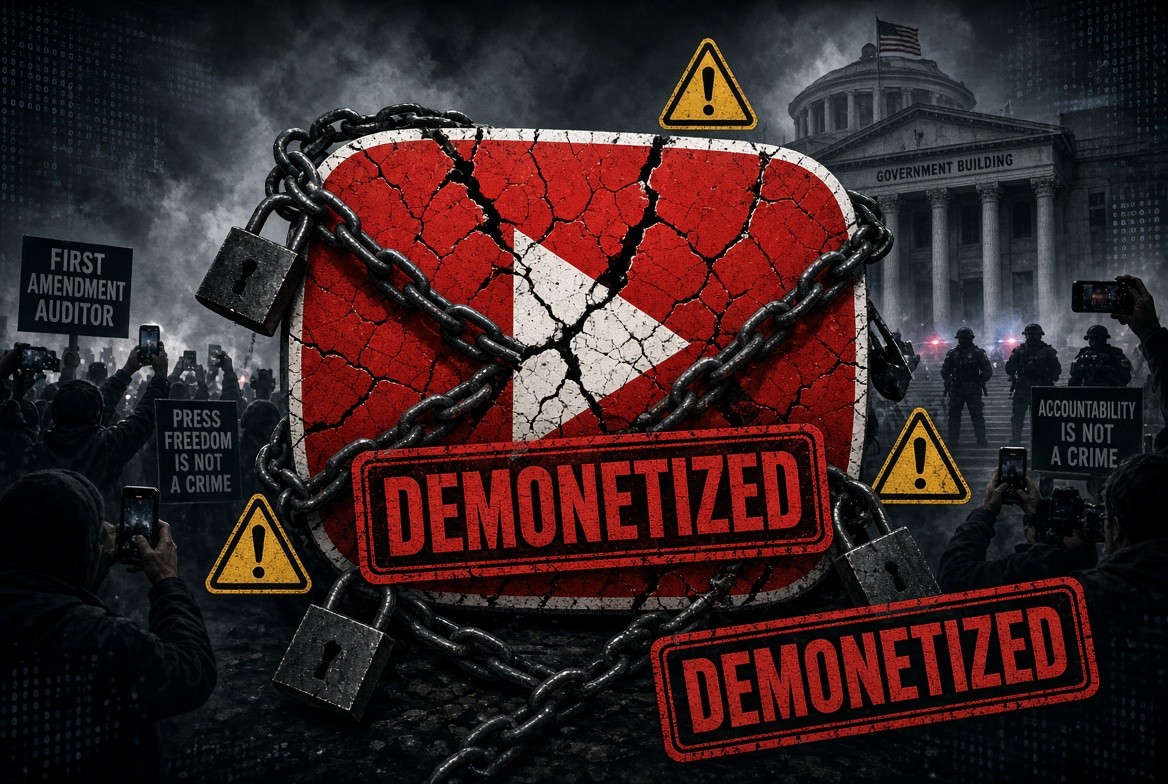
In late August and early September 2026, YouTube carried out a sweeping demonetization of First Amendment audit and cop-watch channels. On or around August 31–September 1, major creators including Long Island Audit (SeanPaul Reyes), Bay Area Transparency, San Joaquin Valley Transparency, Amagansett Press, and many others received notices that their channels were no longer eligible for monetization under the “Creator Responsibility Policy.” Reports indicated roughly 90% of the active First Amendment auditing community was hit in a coordinated wave.
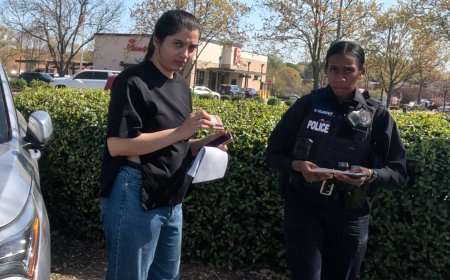
These channels film in public spaces, police stations, government buildings, and other locations open to the public, testing the practical limits of the right to record and speak. The content is often confrontational by design—exactly the kind of accountability journalism that makes powerful people uncomfortable. Creators reported receiving no specific video citations or clear explanations beyond boilerplate language about the Creator Responsibility Policy. Monetization disappeared overnight for channels that had operated for years.
YouTube’s official policy updates around this period focused on “inauthentic content,” “generic or repetitive content,” and “unsatisfying or off-putting content.” While framed as brand-safety and quality measures, the timing and breadth of the enforcement against one particular niche raised obvious questions. Police unions and local prosecutors had publicly criticized auditors; in at least one case involving Long Island Audit, a district attorney’s office had subpoenaed Google for subscriber and financial data shortly before the wave. Correlation is not proof, but the pattern is consistent with past episodes in which platforms adjusted enforcement after sustained pressure from government actors.
Locking Down Android: Your Phone Is About to Stop Being Yours
At the same time, Google is advancing a far more structural restriction: mandatory developer verification for Android. Starting in select markets (Brazil, Indonesia, Singapore, and Thailand) on September 30, 2026, and expanding globally in 2027, certified Android devices will block installation of apps whose developers have not registered with Google. Registration requires paying a fee, surrendering government-issued identification, providing evidence of the private signing key, and listing application identifiers. This applies not only to the Play Store but to sideloading and alternative distribution.
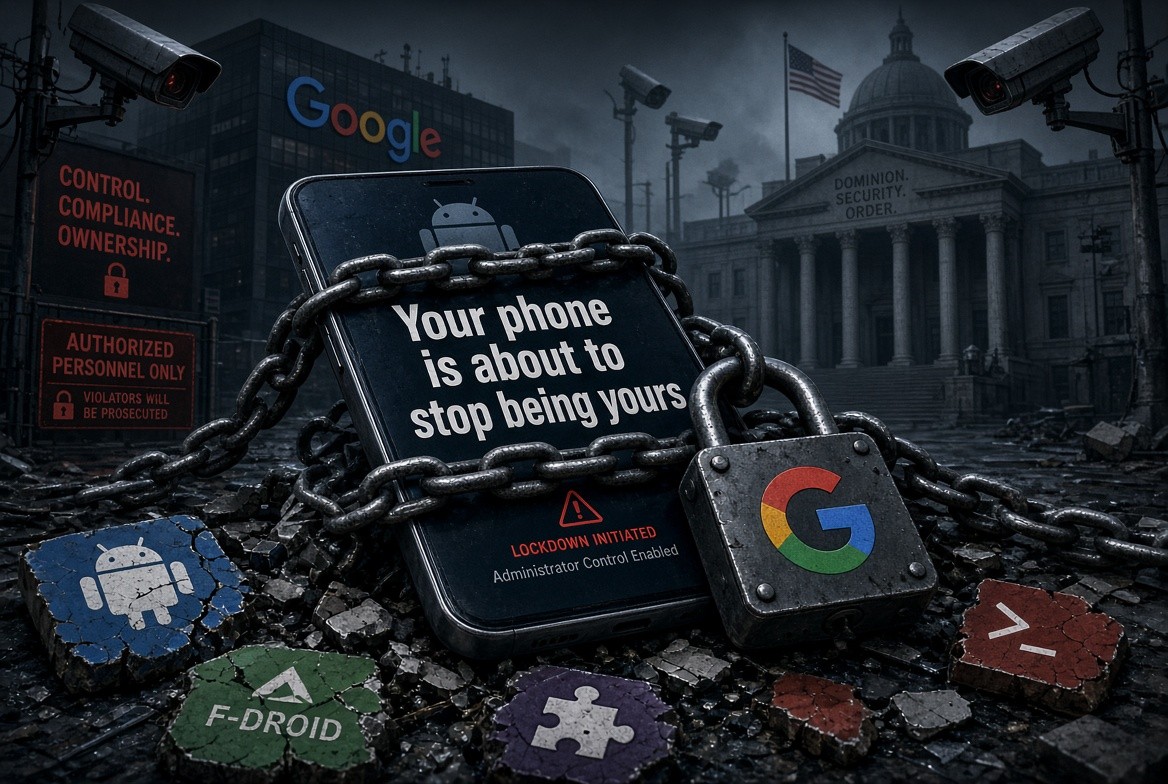
The campaign site Keep Android Open (keepandroidopen.org) puts it bluntly: “Your phone is about to stop being yours.” A silent update will prevent ordinary users from installing software from unverified developers. Google’s “advanced flow” workaround for power users involves nine steps, multiple scare screens, a 24-hour waiting period, and runs entirely through Google Play Services—meaning Google can change or remove it at any time without an OS update. Independent developers, open-source projects (including F-Droid), hobbyists, journalists, and activists under repressive regimes are the clearest losers. Organizations ranging from the Electronic Frontier Foundation to the Free Software Foundation and dozens of others across more than 20 countries have signed open letters opposing the mandate.
Google frames this as a security measure against malware. Critics correctly note that Play Protect already scans apps, that identity verification does not stop determined malicious actors who can simply register, and that the real effect is to create a centralized kill switch and identity database that governments worldwide can pressure Google to use.
The Government Connection Is Not Paranoia
Google has a documented history of receiving and acting on government pressure. During the Biden administration, senior officials pressed the company regarding COVID-related content that did not violate YouTube’s own policies. Alphabet later described the pressure as “unacceptable and wrong” while insisting it maintained independent judgment. Congressional investigations produced documents showing successful government influence over content moderation. Google routinely complies with removal requests from authoritarian governments as well.
When a platform that dominates video distribution and mobile operating systems simultaneously demonetizes a genre of citizen journalism that embarrasses police and government offices and builds a system that requires developers to hand over government ID and keys to Google, the suspicion that state interests are being served is reasonable. Private companies have First Amendment rights to moderate their platforms, but when those companies become de facto public squares and infrastructure, and when their policies track the preferences of the powerful with suspicious regularity, the distinction between private and public power collapses in practice.
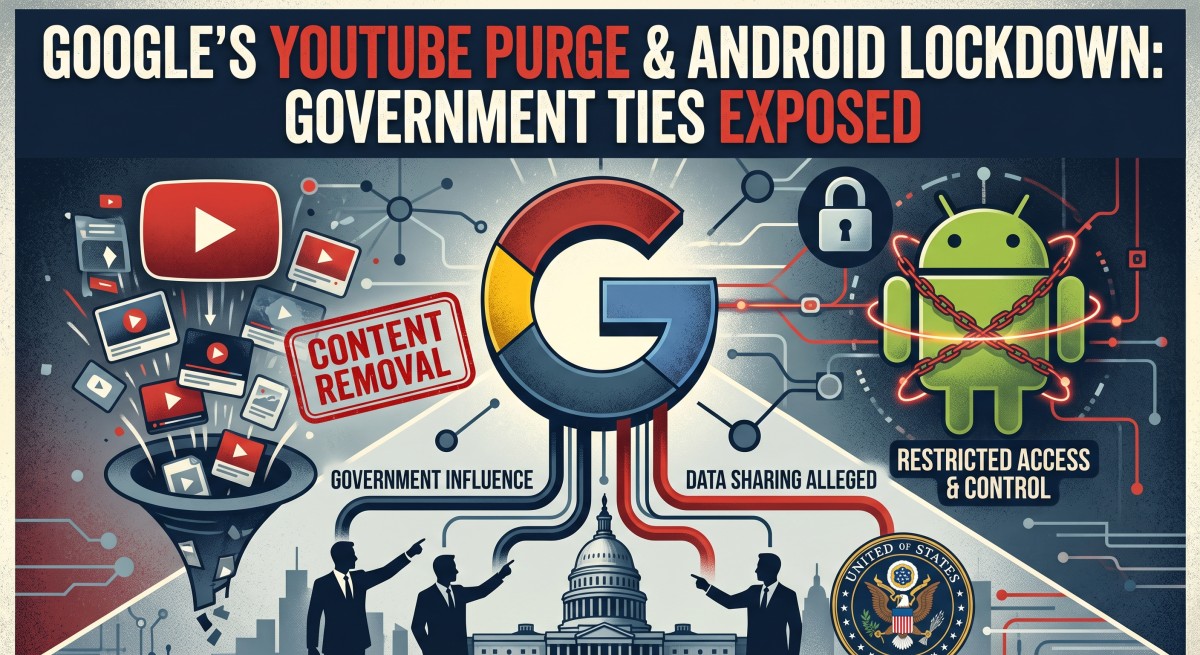
Google is no longer just a search engine or ad company. It is a private regulator with the ability to choke speech and software distribution at scale. The recent YouTube purge of First Amendment auditors and the impending Android developer lockdown are not isolated product decisions. They are symptoms of a company that has grown too powerful, too intertwined with government, and too comfortable deciding what the rest of us are allowed to see, say, and run on devices we already own.
The remedy starts with noticing. Support alternative platforms and app stores while they still exist. Contact regulators. Refuse to treat Google’s policy language as neutral or inevitable. And keep the pressure on—because once the gates fully close, getting them open again will be far harder.
Sources and further reading: keepandroidopen.org; contemporaneous reports and creator announcements from the August–September 2026 YouTube demonetization wave; Google’s own Android developer verification documentation and policy update pages.
What's Your Reaction?
 Like
0
Like
0
 Dislike
0
Dislike
0
 Love
0
Love
0
 Funny
0
Funny
0
 Wow
0
Wow
0
 Sad
0
Sad
0
 Angry
1
Angry
1
Press What Matters affiliate